
“Life, uh, finds a way.”
Ian Malcolm, Jurassic Park, 1993
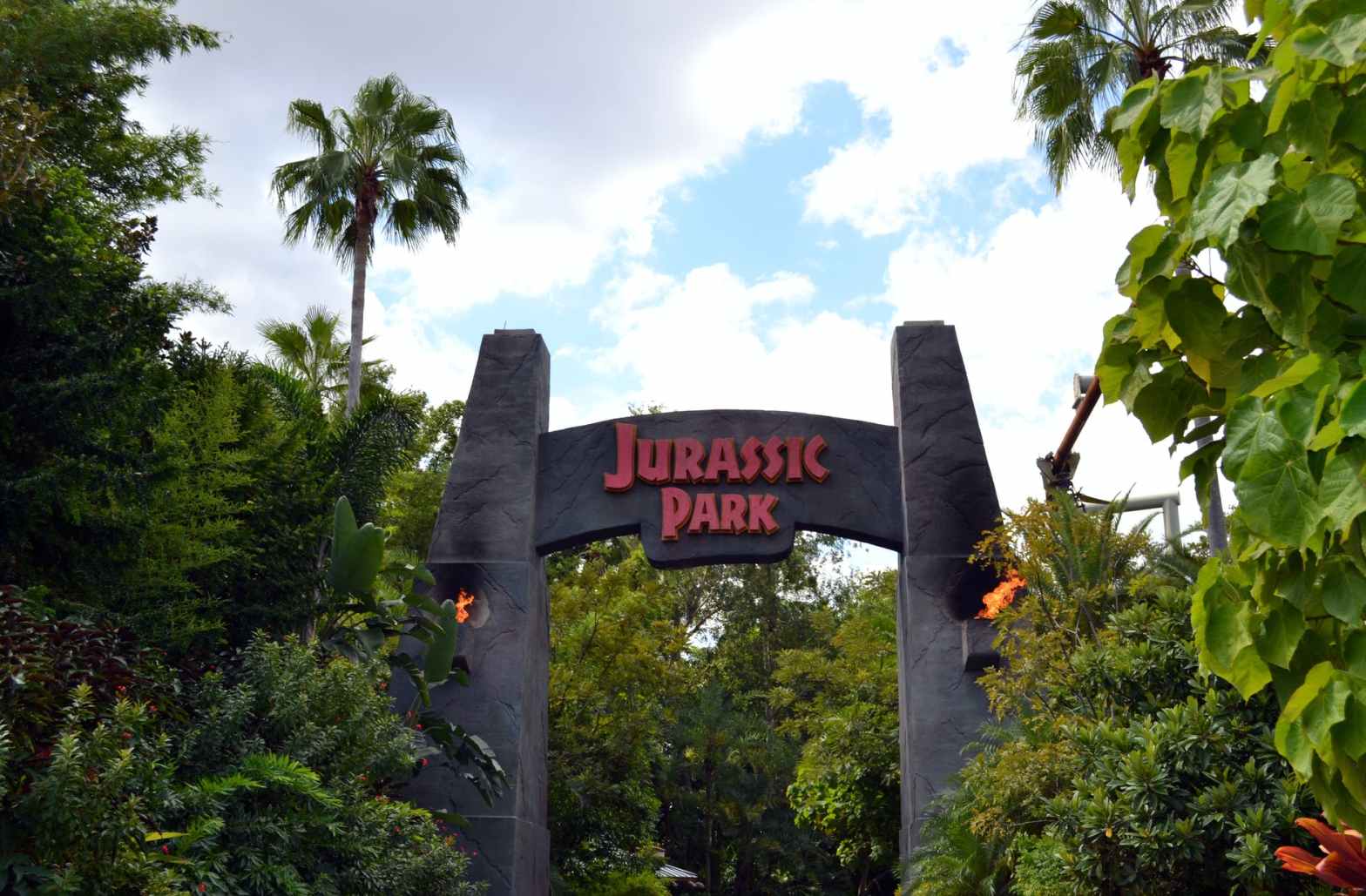
One of the blockbusters of hard sci-fi is Jurassic Park. Released in 1993, it captivated audiences young and old and formed many people’s interests in paleontology and dinosaurs. The famed novel by Michael Crichton attracted a lot of attention and was the pinnacle of genetic engineering ideas, that you could bring back dinosaurs.
However, in Jurassic Park, said park is ruined by entrepreneurial carelessness and laziness in attitude. The dinosaurs get out of their electrified fences when the power goes off and eat a bunch of people. However, what would a successful dinosaur park have looked like? Or, would it be a zoo? Let’s take a literary tour through Jurassic Park.
Arriving at a beautiful island that is going to be Jurassic Park, you see a monstrous form at least 20 meters long in the shallows. Your tour guide tells you that it is a Mosasaurus, a marine reptile that wasn’t a dinosaur, but was more related to modern-day Komodo Dragons and was just as fiercely predatory. The Mosasaurus wades along the shallows as it passes out of your sight. Approaching closer, you can see that the island is very big and has lots of different habitats, probably for different dinosaurs. You arrive at the visitor center and check along with a bunch of people you don’t know. Soon, you’re rolling in a safari along some savanna. You suddenly see a weird-looking beast slowly lumbering across the grass. Looking further, you see more of its kind following it. The guide introduces them as Lystrosaurus, hippo-like mammal ancestors that weren’t dinosaurs at all. Suddenly, a bulky, scaled reptile attacks the Lystrosaurus young. The adults all rampage towards the beast, which the guide has identified as a young Postosuchus, a sort of land crocodile, while you watch on in fascination. As you roll back towards the visitor center, you regard a pack of Coelophysis fighting their German cousins, a pack of Liliansternus. The guide explains that back in this time, all Earth was one supercontinent called Pangaea and a big surrounding sea. Pangaea would have been dry and grassy and species from completely different countries would have met back then.
Back at the visitor center, you and your friends watch some baby Protoceratops get fed some ferns. You notice a strange mushroom in the corner of the baby nursery as well. Your friends decide to look on the beaches for some small dinosaurs. The lagoons look interesting, with your guide warning you to wear special padded clothing because the small dinosaurs there will bite. Once ready, your guide takes a massive group to the lagoons. There, you hear many trills and whistles, like a songbird. The guide explains that Compsognathus, a chicken-sized dinosaur that was related to modern-day birds, and other dinosaurs, would have only been able to make the sounds that either their cousins the crocodiles or their descendants birds can make. Indeed, a pack of compys waddle out into plain sight. Their walking is uneasily reminiscent of a chicken, with the bobbing of the head and the narrow three-toed tracks. The compys are covered in lots of down and some feathers on the limbs, head, and tail. Suddenly, from above you, a brightly colored animal flies out towards the ocean, with hues like a bird of paradise. Archaeopteryx was the first bird, we think, and it was very similar to animals like the compys and Velociraptor, which you’re dying to see. As you leave the lagoons, a hoarse roar comes from the thick of the forest, which is quickly identified as a Megalosaurus, the first dino to be named. Hearing the predator’s roar quicken’s the sluggish group’s pace.
Reaching your resort room on the special Park Lodge, you decide to call it a day and order some dinner for you and your friends. As you eat, you think about tomorrow’s things. Hopefully, you’ll stay for the whole week!

 Anay Ganesh