
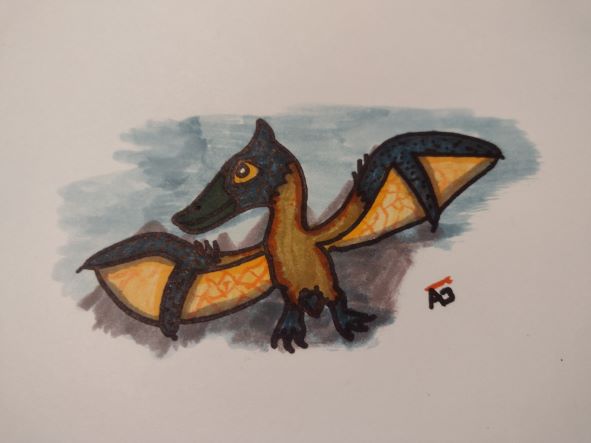
As the title says, this is not a dino, so why are we including Pteranodon in our dinosaur series? Here’s a list: Pterosaurs (to which Pteranodon belongs) are closely related to dinosaurs A lot of people know it and think it is a dinosaur We want people to know that it is in fact, notContinue reading “Pteranodon: Definitely not a dino”
Ornitholestes – Hunter of nonexistent birds

Ornitholestes was a coelurosaurian closely related to Juravenator, although it lived in North America instead of Europe. Ornitholestes is a very little-known dinosaur; the only specimen is a badly crushed skull and the remains of a partial skeleton. Ornitholestes means ‘bird robber’ in Greek, but the name is inaccurate with what we know today. OrnitholestesContinue reading “Ornitholestes – Hunter of nonexistent birds”
Nothronychus: New Mexican Oddity
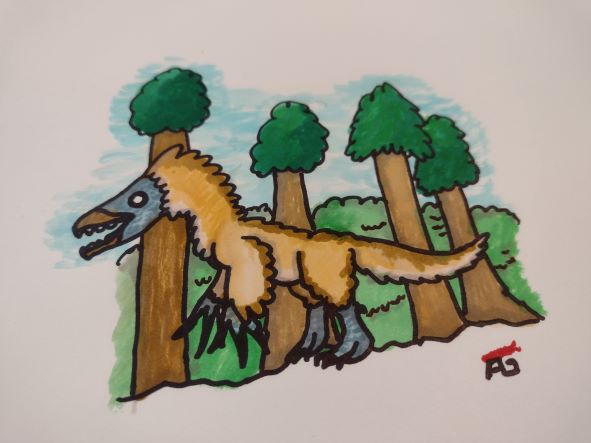
We’ve always talked about theropods as the ‘meat-eating’ dinos, but that’s going to change today. Nothronychus was a theropod that lived in the Late Cretaceous in what is now New Mexico. New Mexico was a pretty nice place back then, not to say that it still isn’t nice. Every place has its pros and cons.Continue reading “Nothronychus: New Mexican Oddity”
Micropachycephalosaurus – Small but Large –
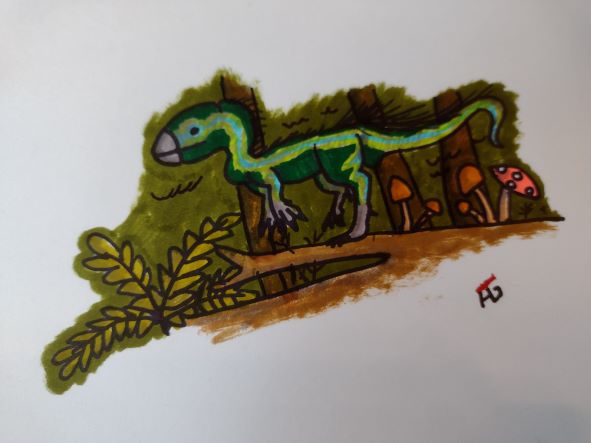
Micropachycephalosaurus is a mouthful, so we’re just gonna call it a Micro. Micros were extremely small herbivores that, as you can see, have the longest names of any dinosaur. Micropachycephalosaurus means “small thick-headed lizard” in Greek, and when discovered were thought to be pachycephalosaurs, a group of ornithopods whose heads possessed thick bony domes thatContinue reading “Micropachycephalosaurus – Small but Large –”
Lesser-known Lambeosaurus
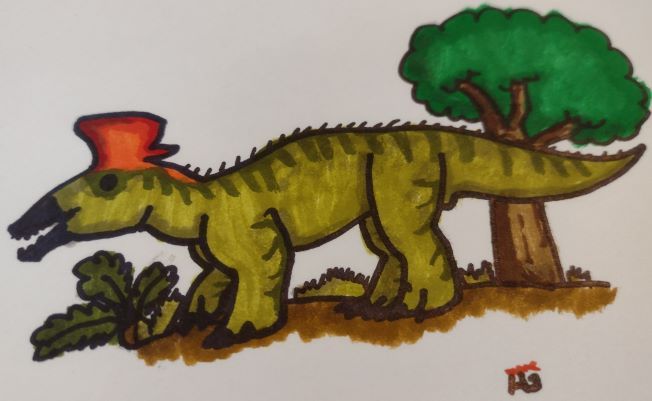
Lambeosaurus was a hadrosaurid ornithischian that lived in the Late Cretaceous. Lambeosaurus lived in North America and is one of the more well-known hadrosaurs. However, it isn’t as famous as its relatives Corythosaurus or Parasaurolophus. Lambeosaurus was an herbivore and belonged to the Lambeosaurini, a group that consisted of the crested hadrosaurs. Lambeosaurus had aContinue reading “Lesser-known Lambeosaurus”
Kentrosaurus – Not Very Knowledgeable
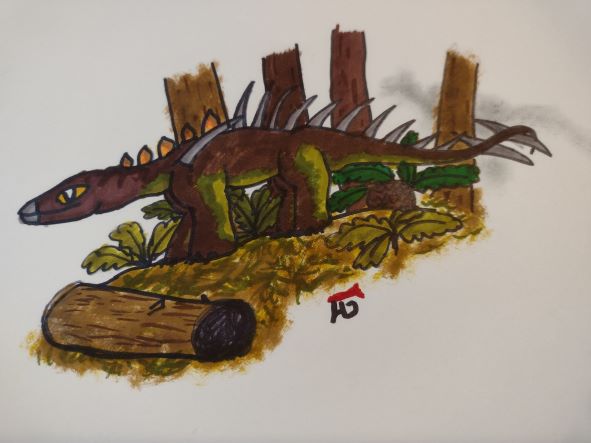
Kentrosaurus is one of the coolest, dumbest, and most dangerous dinosaurs ever! Kentrosaurus lived in Tanzania in the Late Jurassic, and was a stegosaur, a group of ornithischians that were armored and covered in spikes or plates on their bodies. They are also famously known for having one of the smallest brain-to-mass ratios in theContinue reading “Kentrosaurus – Not Very Knowledgeable”
Juravenator – Jurassic Hunters
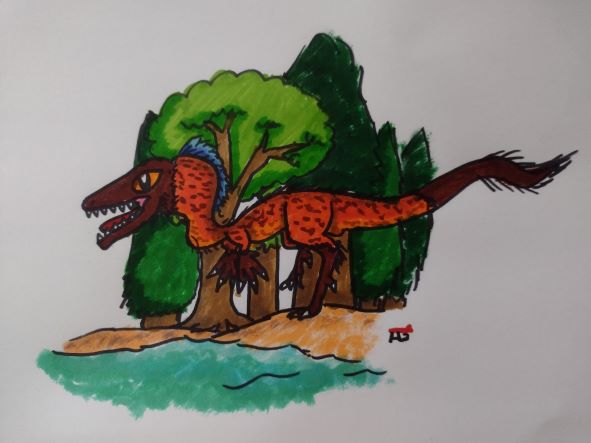
Juravenator is one of those dinos you’ve never heard of, and nobody really knows that much about it. Juravenator was a theropod dinosaur that lived in the Middle Jurassic in Germany, back in the time of the first birds, Archeopteryx. Indeed, it is assumed to be a compsognathid, a group of theropods that were generallyContinue reading “Juravenator – Jurassic Hunters”
Is Raw Fish Icky? Ichthyovenator doesn’t think so!

Ichthyovenator is a spinosaurid that lived in the Early Cretaceous in Laos (not a place where one finds a lot of famous dinosaurs), which is kinda surprising. This is the first Southeast Asian dinosaur that we’ve covered on this blog, and the only dinosaur found in Laos. Ichthyovenator means ‘fish hunter’ and it was certainlyContinue reading “Is Raw Fish Icky? Ichthyovenator doesn’t think so!”
Hypsilophodon – Not a Climber
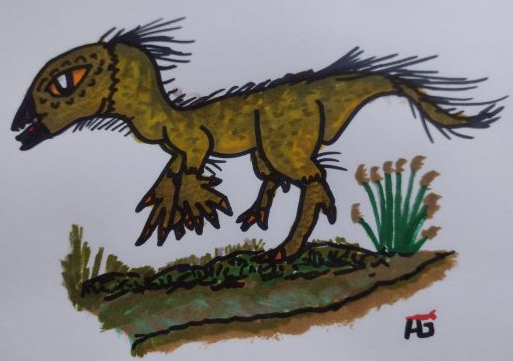
Hypsilophodon was one of the first dinos to be discovered (because it was English, and most of the paleontologists back in good ol’ 1850 were English). It was herbivorous and was an ornithischian closely related to the ornithopods. It lived back in the Early Cretaceous in the Isle of Wight. Many misconceptions were made aboutContinue reading “Hypsilophodon – Not a Climber”
Galloping Gallimimus
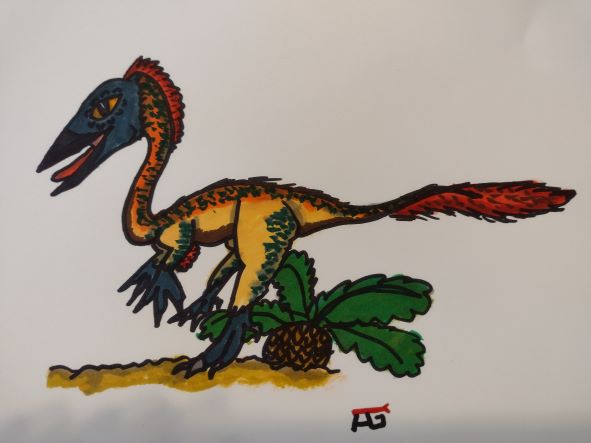
Gallimimus is another Jurassic Park celebrity. In the scene in which they are featured, a huge flock comes over a ridge, running away from a hungry T-rex that quickly takes some down. Gallimimus in the movie was inaccurate and would have had feathers. Gallimimus means ‘chicken mimic’, but it and its relatives would have beenContinue reading “Galloping Gallimimus”
 Anay Ganesh